

In This Article 4 sections
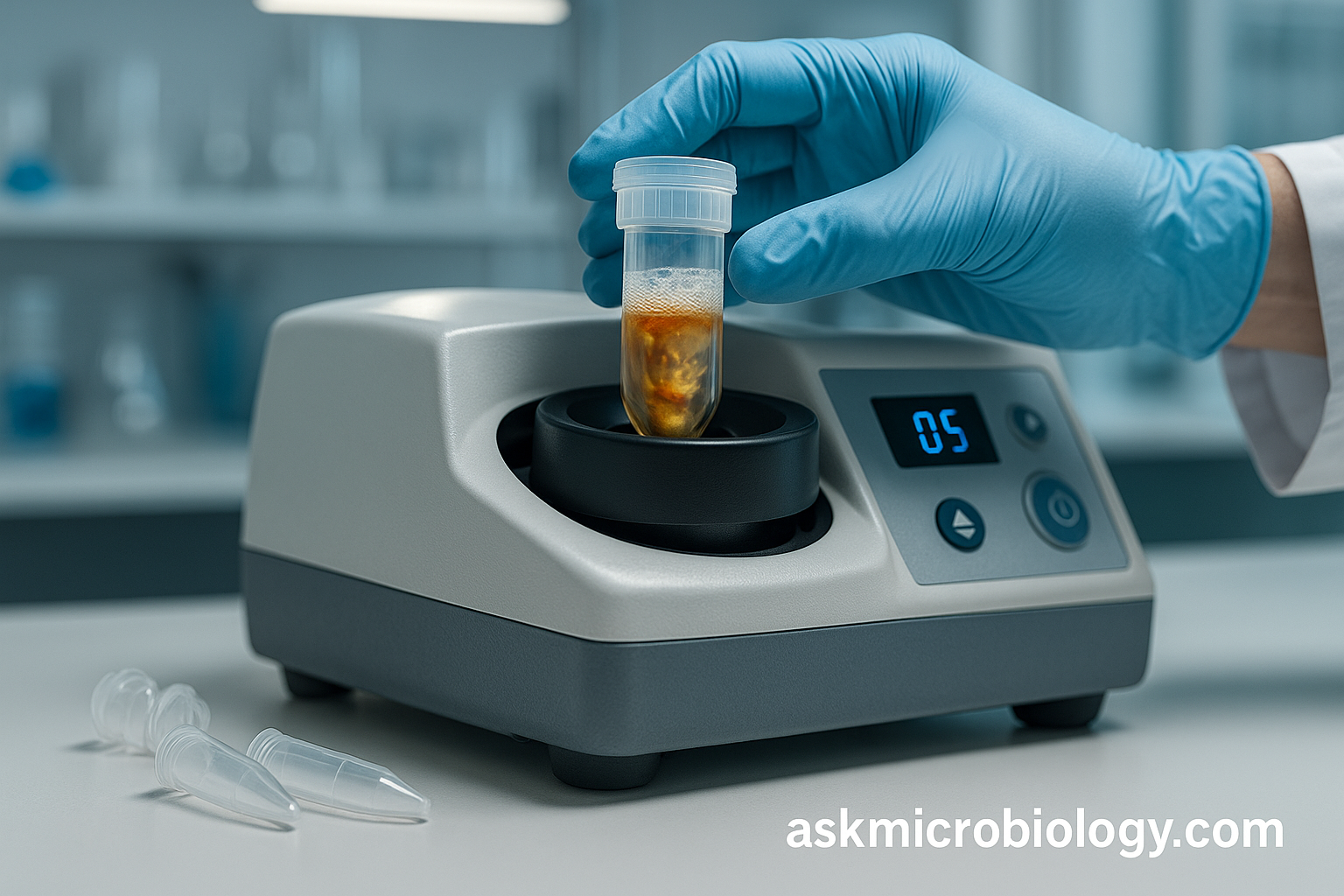
Why Homogenization Matters
Efficient cell disruption releases intracellular enzymes, DNA, and metabolites. A 2024 Microbial Biotechnology benchmark showed that optimized homogenization improved protein yield by 42 % versus manual grinding (n = 180 samples).
Main Techniques
- Bead beating: 0.1–1 mm zirconia beads; achieves >95 % lysis of Gram‑positive cocci in 60 s.
- High-pressure homogenization: 20,000 psi disrupts yeast walls with 90 % efficiency in two passes.
- Ultrasonic sonication: 20 kHz probes; caution—local heating can denature proteins above 35 °C.
Best‑Practice Parameters
| Parameter | Recommended Range | Impact |
|---|---|---|
| Sample Volume | 0.5–10 mL (microbial) | Prevents cavitation loss. |
| Temperature Control | < 10 °C | Maintains enzyme activity. |
| Cycle Number | 2–4 passes | Balances yield vs. shear damage. |
Quality Control Metrics
Measure protein release (Bradford) and colony‑forming units (CFU) post‑lysis. A drop of >6 logs CFU indicates complete disruption. Reference Li et al. “Comparative Efficiency of Cell Homogenizers,” Microbial Biotechnol., 2024.
Advertisement