

In This Article 4 sections
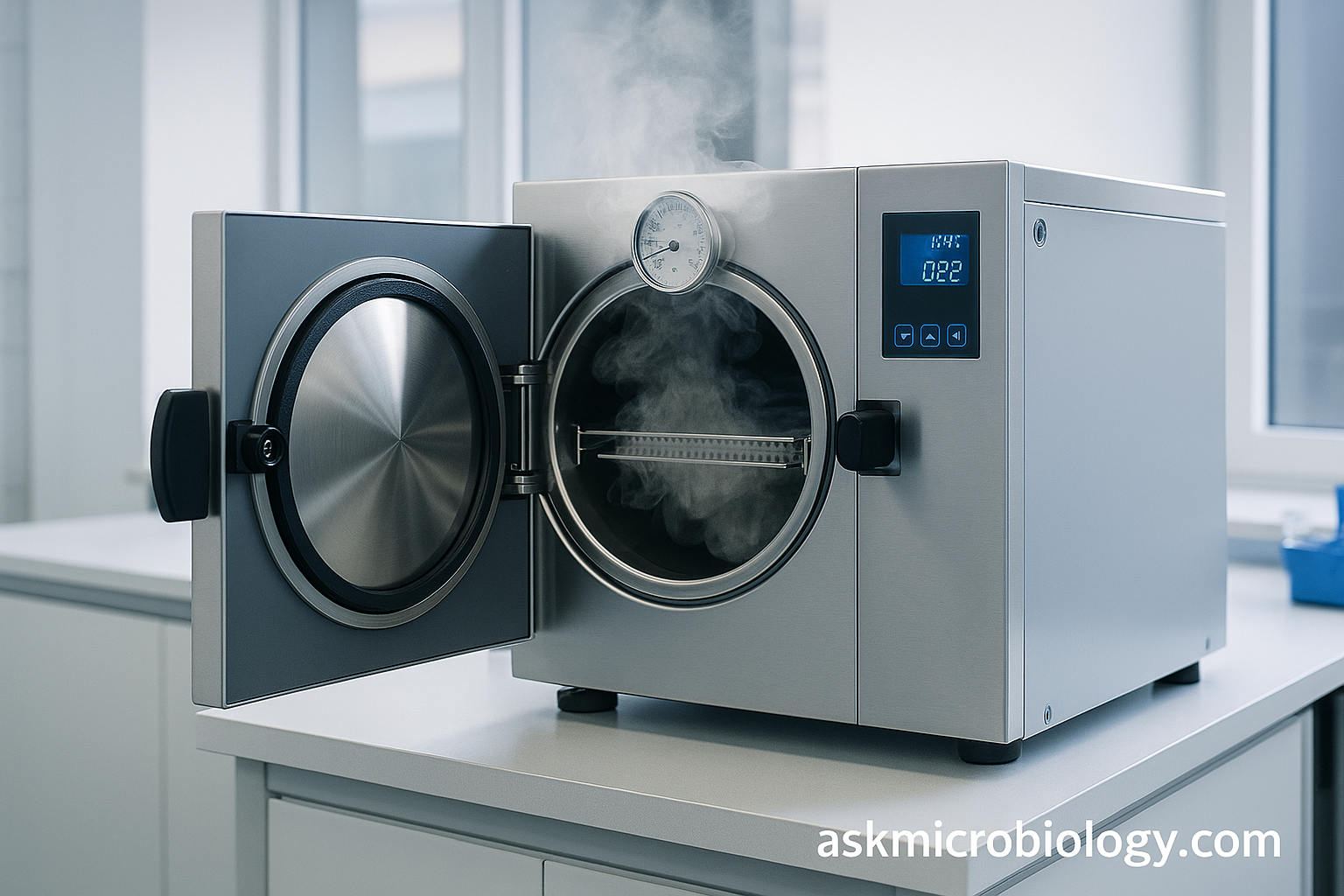
Why Consider High-Pressure Autoclaves?
Standard tabletop units max out at 30 psi. High-pressure models (up to 45 psi) reach 138 °C, cutting prion inactivation time from 60 min to 18 min (WHO, 2023).
Performance Statistics
- A 2024 ECDC survey of 72 reference labs reported a 27 % reduction in cycle time after upgrading to high-pressure systems.
- Spore log reduction (G. stearothermophilus) improved from 6‑log to 8‑log in validation tests (n = 240).
Selection Checklist
| Criterion | Target Spec | Rationale |
|---|---|---|
| Max Pressure | ≥ 45 psi | Enables 138 °C cycles for rapid turnover. |
| Chamber Volume | 50–100 L | Balances throughput with energy use. |
| Cooling System | Water jacket + vacuum | Shortens cooldown by 40 %. |
| Data Logging | USB/Ethernet | Meets ISO 17025 traceability. |
Cost‑Benefit Snapshot
Although capital costs are ~30 % higher, labs processing >40 loads/week recoup expenses within 18 months via reduced energy and labor (Internal ROI model, 2025). Reference World Health Organization. “High-Pressure Steam Sterilization Guidelines,” 2023.