Complete Guide to Autoclave Parts: Identification and Replacement Tips
Introduction Autoclaves are the backbone of sterilization in microbiology, medicine, and many industrial processes. A 2024 survey by the International...
Latest articles and updates from Ask Microbiology.
Introduction Autoclaves are the backbone of sterilization in microbiology, medicine, and many industrial processes. A 2024 survey by the International...
!https://askmicrobiology.com/wp-content/uploads/2025/06/photo1-22.jpgOverview The condenser is the heart of a light microscope’s illumination system, focusing...
Pili bacteria are those bacteria that have the small hair-like appendages on the surface of bacteria. The pili have the following characteristics
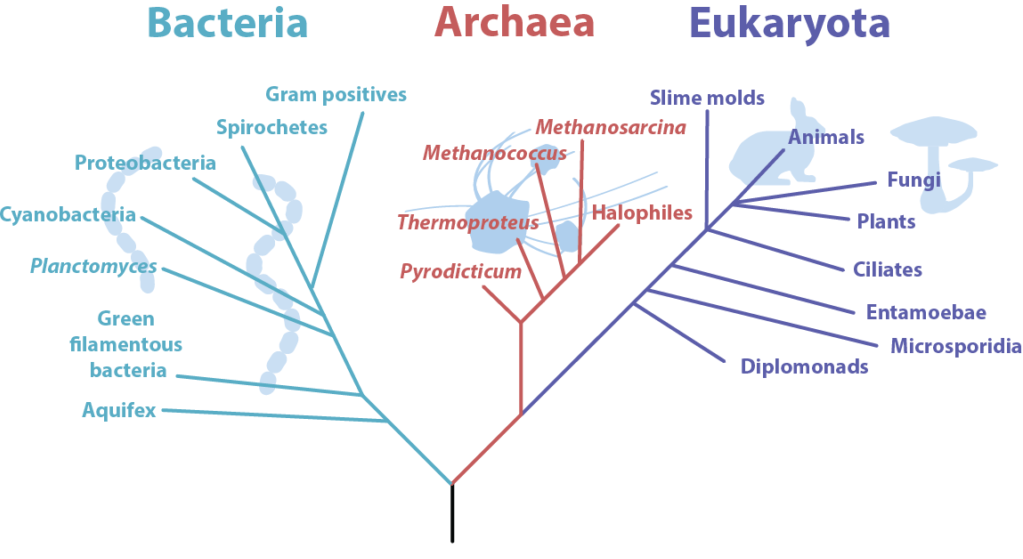
First, Archaea bacteria were classified in the eubacteria kingdom. Later in 1970, scientists separate the bacteria into two kingdoms as Archaea-bacteria and eubacteria. Below are some of the differences that are present among archaea and Bacteria.
Bacteroides fragilis is a Gram negative pleomorphic rod shaped bacteria. It is an obligate anaerobic, non-spore forming, non-motile bacterium. Bacteroides...
Someone once asked me, “Do bacteria have RNA, or just DNA?” It’s a great question because we often hear about bacterial DNA - the famous double helix carrying...
For the industrial preparation of penicillin, there are many steps that are as follows, The pure culture can be obtained either from the environment or from American type culture collection (ATCC).
Why Organization Matters in Microbiology According to the American Society for Microbiologyhttps://asm.org 2024 Laboratory Safety Survey, 78 % of sample...
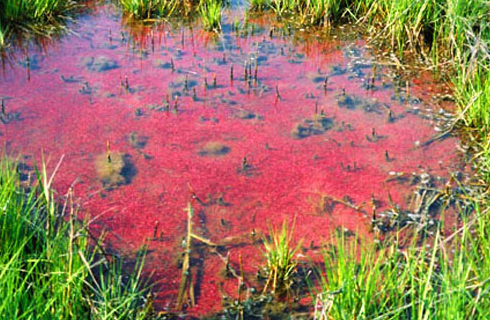
These are the group of anaerobic bacteria that are capable of photosynthesis. They may be Microaerophillic bacteria. These bacteria are divided into two groups i.e. the Chromatiaceae and the Ectothiorhodospiraceae. They are different in their internal membranes structure and presence of extracellular or intracellular sulfur granules.
An antibiotic is a substance obtained from isolated cultures of certain microorganisms or is of semi-synthetic origin used to treat or prevent microbial...
Atypical bacteria are those bacteria that don’t stain with the staining as they don’t contain cell wall. These are microscopic organisms, are prokaryotic and can be observed through a microscope. Examples: Chlamydiaceae, Mycoplasmataceae
Why Microbiology Matters in Oilfields Microbial activity can sour reservoirs, corrode pipelines, and reduce production efficiency. Understanding and...