Bacteriology

Sulfate reducing bacteria

These bacteria grow in anaerobic conditions. They can’t use oxygen as electron terminal acceptor. They reduce inorganic sulfate into hydrogen sulfide. Sulfur accepts the electron from ETC. Some microbes assimilate sulfur to fulfil their sulfur requirement. They may use organic sulfur to fulfil their requirement.

· askmicro
Read more
Bacteriology

Anaerobic bacteria

Anaerobic bacteria are those bacteria that cannot survive in the presence of oxygen

· askmicro
Read more
Bacteriology

Pyogenic Bacteria

Pyogenic bacteria are those bacteria that are involved in the formation of pus. Pus is the yellowish exudate. It is formed in the site of inflammation and abscess. It is also called pus and postule.

· askmicro
Read more
Bacteriology

Stenotrophomonas maltophilia

Stenotrophomonas maltophilia is a multiple antibiotics resistant gram negative bacillus isolated from water and other environmental sources. It is an opportunistic pathogen with high morbidity and high mortality rate among hospitalised patients. It mostly causes diseases in hospitalised and immunocompromised patients. Stenotrophomonas maltophilia is an important causing nosocomial pathogen.

· kamran
Read more
Bacteriology

Operon Model

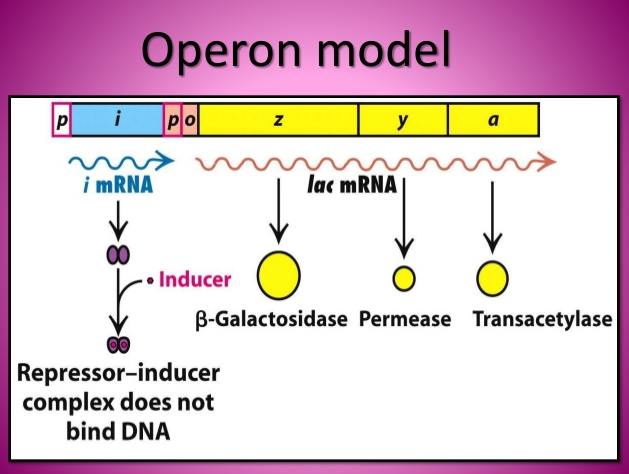
Operon model was proposed by Francois Jacob and Jacques Monod.The operons are the genes that are coded for related protein. Operon consists of a regulator, promoter and the structural genes. Eukaryotic DNA has one operon for one gene that encodes only one protein. Prokaryotic DNA may have one operon for one or more protein as they have small DNA. They may encode two or three protein from the same promoter.

· Emily
Read more
Bacteriology

Spore Forming Bacteria

Spore-forming bacteria are those bacteria that can form spores under unfavourable conditions. Spores are the dormant form of bacteria that can tolerate all the...

· askmicro
Read more

Showing37–48of100results